
Mar 15, 2022
10 Essential Engineering Tips for Homeowners
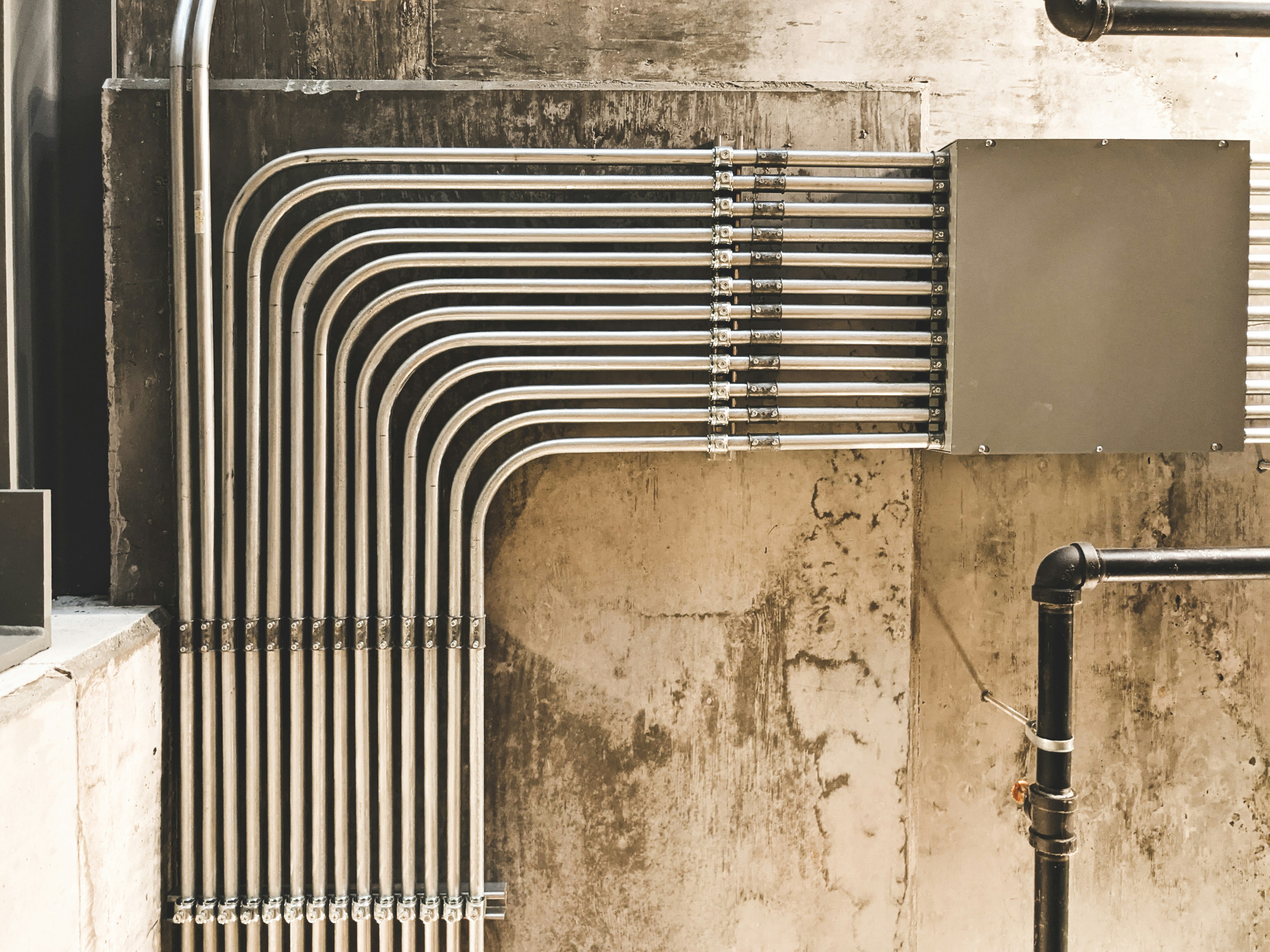
1. Know Your Home's Water Shut-Off Valve
Locate and familiarize yourself with your home's main water shut-off valve. In case of an engineering emergency such as a burst pipe or major leak, being able to quickly turn off the water supply can minimize damage and prevent flooding.
2. Check for Leaks Regularly
Inspect engineering fixtures, pipes, and appliances regularly for any signs of leaks. Look for dripping faucets, water stains on walls or ceilings, and dampness around engineering connections. Promptly repair leaks to prevent water wastage and potential damage to your home.
3. Use Drain Screens
Install drain screens or guards in sinks, showers, and tubs to prevent hair, soap scum, and debris from entering the drain pipes. Clean drain screens regularly to maintain efficient drainage and prevent clogs.
4. Avoid Chemical Drain Cleaners
Chemical drain cleaners can damage pipes and fixtures over time. Instead of relying on harsh chemicals, use natural alternatives or mechanical methods such as a plunger or engineering snake to clear minor clogs.
5. Know What Can and Cannot Go Down the Drain
Educate household members about what can and cannot be disposed of down drains. Avoid flushing non-biodegradable items, grease, oils, coffee grounds, and fibrous materials down sinks or toilets, as these can cause clogs and damage pipes.
6. Insulate Pipes in Cold Weather
During colder months, insulate exposed pipes in unheated areas of your home to prevent freezing and potential bursting. Use pipe insulation sleeves or wrapping to protect pipes from cold temperatures and maintain water flow.
7. Maintain Water Heater
Regularly flush your water heater to remove sediment buildup that can reduce efficiency and shorten its lifespan. Follow manufacturer's instructions or consult a professional engineer for proper maintenance procedures.
8. Test Water Pressure
Monitor and test the water pressure in your home using a pressure gauge. High water pressure can strain pipes and fixtures, leading to leaks or bursts. Install a pressure regulator if necessary to maintain optimal water pressure throughout your engineering system.
9. Address Engineering Issues Promptly
If you notice signs of engineering problems such as slow drainage, unusual odors, or inconsistent water flow, address them promptly. Ignoring minor issues can lead to more significant problems and costly repairs down the line.
10. Schedule Regular Engineering Inspections
Consider scheduling annual or bi-annual engineering inspections with a qualified engineer to assess the condition of your system. Professional inspections can detect potential issues early and ensure that your engineering is in good working order.
Conclusion
By following these essential engineering tips, homeowners can maintain a reliable and efficient system, prevent costly repairs, and conserve water. From knowing your home's water shut-off valve to scheduling regular engineering inspections, implementing these practices helps ensure that your engineering operates smoothly and reliably. Stay proactive about engineering maintenance to protect your home and enjoy worry-free living.